-
Hello World!
Why Mobile Marketing Has Become So Powerful
Most people carry their phones everywhere. We use them to communicate, shop, search for information, watch videos, compare prices, and interact with brands. Because mobile devices are such a large part of everyday life, I believe mobile marketing gives businesses several advantages over traditional marketing channels.
According to the Pew Research Center, 91% of American adults owned a smartphone in 2025. This means that a mobile campaign can reach a large audience almost anywhere and at any time. Traditional advertisements, such as billboards, newspaper ads, and television commercials, can create awareness, but consumers cannot always respond immediately. A mobile ad can include a direct link that lets someone learn about a product, download an app, claim a coupon, or complete a purchase within minutes.
From Awareness to Purchase
Mobile marketing can increase product awareness through social media ads, mobile search results, text messages, videos, and push notifications. These channels allow companies to place their products in front of consumers while they are already using their devices.
Mobile campaigns can also guide customers directly to the point of sale. For example, a social media advertisement can include a “Shop Now” button that leads to a product page. A QR code on a poster or product package can open a mobile coupon, menu, or checkout page. Location-based advertising can encourage consumers to visit nearby businesses. Google Ads allows businesses to target people based on their physical location or their interest in a geographic area. A restaurant could use this feature to advertise a lunch special to people nearby, giving customers an immediate reason to visit.
This process is much faster than traditional marketing because there are fewer steps between seeing an advertisement and making a purchase. If the mobile page is simple and easy to use, a consumer can move from awareness to action almost instantly.
Creating Conversations and Loyalty
Mobile marketing is also valuable because it encourages two-way communication. Traditional advertising usually speaks to consumers, while mobile marketing allows consumers to respond. Customers can comment on social media posts, complete surveys, leave reviews, participate in polls, or communicate with customer service through an app. These interactions help businesses develop dialogue-marketing contacts and learn more about what their customers want.
Mobile loyalty programs can also encourage repeat purchases. One example is the Starbucks app, which allows customers to order ahead, locate stores, make payments, and earn rewards. Instead of carrying a physical loyalty card, customers can track everything on their phones. Starbucks can also use the app to remind customers about available rewards and promote special offers.
This approach benefits both sides. Customers receive convenience and personalized rewards, while the company develops stronger relationships and gathers information that can improve future marketing decisions.
Mobile Marketing Still Has Challenges
Even with these advantages, mobile marketing has several constraints. Phones have small screens, consumers have short attention spans, and too many advertisements or notifications can become annoying. Mobile users may also experience slow connections or websites that are difficult to navigate.
Businesses can address these problems by keeping mobile messages short and making calls to action easy to recognize. Websites should load quickly, adjust correctly to different screen sizes, and require as few steps as possible to complete a purchase. Images should be compressed, text should be readable, and videos should include captions.
Privacy is another important concern. Mobile campaigns may use customer locations, browsing activity, and purchase histories. Businesses should clearly explain what information they collect and ask permission before using sensitive data. Customers should also be able to choose which notifications they receive and easily opt out. Personalization can improve a campaign, but it should never make customers feel that a company is watching them without their knowledge.
Companies should also test campaigns on multiple phones and tablets because content may not display the same way on every device. Accessible features, such as captions, alternative text, and readable color contrast, can help ensure that more people can interact with the campaign.
Final Thoughts
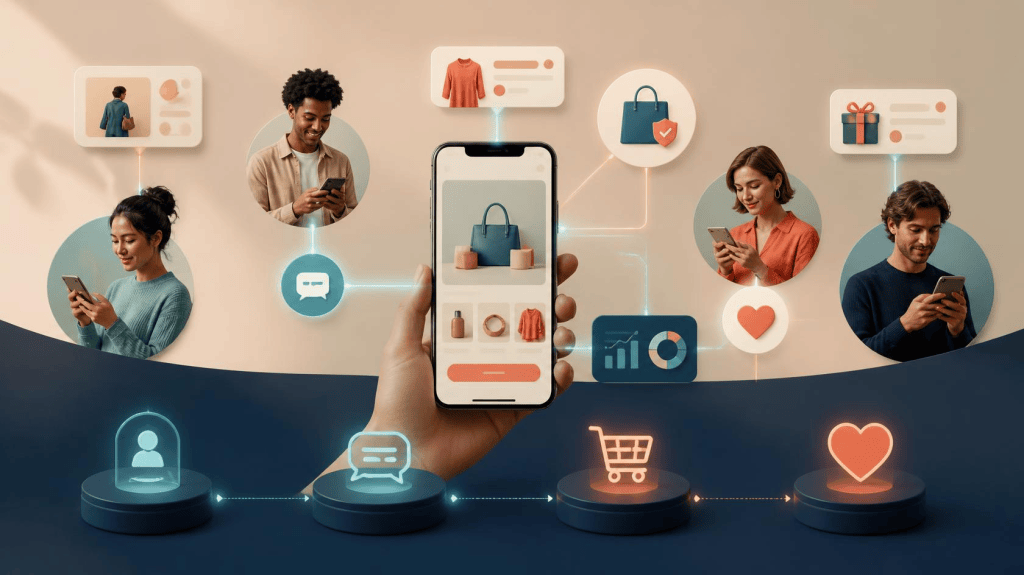
Mobile marketing is more than traditional advertising placed on a smaller screen. It creates a direct connection between awareness, communication, purchasing, and customer loyalty. Companies can reach consumers at useful moments, personalize offers, measure responses, and make buying more convenient.
However, successful mobile marketing must provide real value. Consumers are more likely to respond when messages are relevant, websites are easy to use, and their privacy is respected. When companies balance convenience with trust, mobile marketing can become one of the strongest tools in their overall marketing strategy.
Sources
Google. (n.d.). About targeting geographic locations. Google Ads Help. https://support.google.com/google-ads/answer/2453995
Pew Research Center. (2025, November 20). Mobile fact sheet. https://www.pewresearch.org/internet/fact-sheet/mobile/
Starbucks. (n.d.). Starbucks app for iPhone and Android. https://www.starbucks.com/download-app/
 oumaouhadry-zjosf